Wellness And Therapy Guides
Sound Healing
What is Sound Healing?
Sound Healing invites you to tune in, slow down and restore. It is a deeply relaxing, meditative therapy that uses soothing sounds and vibrations to support physical, emotional, and mental wellbeing.
If you’ve ever found yourself deeply relaxed while listening to music, you’ve already experienced the power of sound. A sound bath deepens this experience by using specific instruments, tones, and frequencies to create an immersive experience for both body and mind.
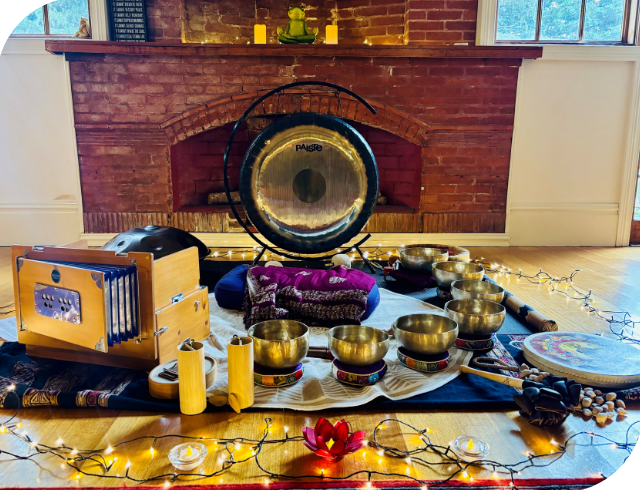
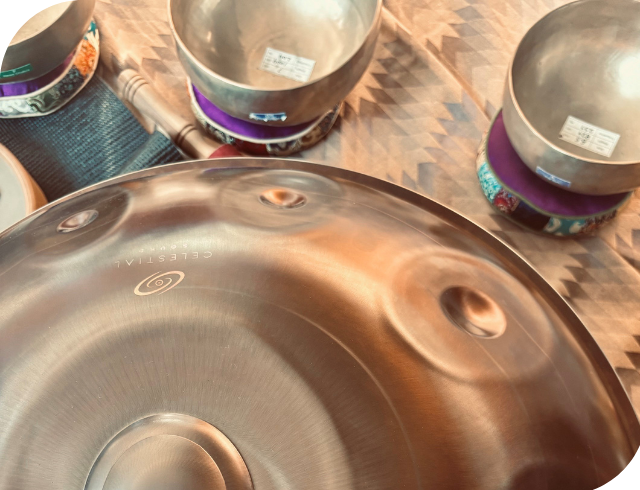
Often experienced as a sound bath, the therapist uses instruments such as Tibetan singing bowls, gongs, chimes, and voice to calm the nervous system and slow brainwaves, guiding you into a state of rest and repair.
One of the most powerful effects of a sound bath is its ability to help slow the mind and relax the body. Much of daily life is spent thinking, planning, rushing, and managing stress. As the sounds and vibrations wash over you, your brain can begin to shift into a deeply relaxed state, similar to the space between waking and dreaming.
In this restful state, the body naturally moves into “rest and repair” mode, making it easier to release tension, process emotions, and feel a greater sense of clarity and calm. Many people describe it as feeling meditative, without needing to actively try to meditate. Through a natural process known as entrainment, your body begins to align with these gentle vibrations, encouraging balance, stillness, and a sense of inner harmony.
Sound Healing invites you to tune in, slow down and restore. It is a deeply relaxing, meditative therapy that uses soothing sounds and vibrations to support physical, emotional, and mental wellbeing.
If you’ve ever found yourself deeply relaxed while listening to music, you’ve already experienced the power of sound. A sound bath deepens this experience by using specific instruments, tones, and frequencies to create an immersive experience for both body and mind.
Often experienced as a sound bath, the therapist uses instruments such as Tibetan singing bowls, gongs, chimes, and voice to calm the nervous system and slow brainwaves, guiding you into a state of rest and repair.
One of the most powerful effects of a sound bath is its ability to help slow the mind and relax the body. Much of daily life is spent thinking, planning, rushing, and managing stress. As the sounds and vibrations wash over you, your brain can begin to shift into a deeply relaxed state, similar to the space between waking and dreaming. In this restful state, the body naturally moves into “rest and repair” mode, making it easier to release tension, process emotions, and feel a greater sense of clarity and calm. Many people describe it as feeling meditative, without needing to actively try to meditate.
Through a natural process known as entrainment, your body begins to align with these gentle vibrations, encouraging balance, stillness, and a sense of inner harmony.

Benefits for People Living With Cancer
For people living with cancer, Sound Healing offers a gentle and non-invasive way to support overall wellbeing. It promotes deep relaxation by calming the nervous system, creating space to process emotions, and can help to reduce feelings of overwhelm.
The late Dr Mitchell Gaynor, an American oncologist and pioneer in integrative medicine, was among the early advocates for incorporating sound and music into complementary cancer care, recognising the restorative effects these practices can have on both body and mind. Research suggests sound healing may help reduce stress, regulate heart rate, and support nervous system function.
As the body settles into a more relaxed state, physical tension may soften, allowing for greater ease and connection within the body. The restorative nature of sound may support improved sleep and provide a nurturing environment to pause, restore energy, and reconnect with a sense of calm.
Benefits for People Living With Cancer
For people living with cancer, Sound Healing offers a gentle and non-invasive way to support overall wellbeing. It promotes deep relaxation by calming the nervous system, creating space to process emotions, and can help to reduce feelings of overwhelm.
The late Dr Mitchell Gaynor, an American oncologist and pioneer in integrative medicine, was among the early advocates for incorporating sound and music into complementary cancer care, recognising the restorative effects these practices can have on both body and mind. Research suggests sound healing may help reduce stress, regulate heart rate, and support nervous system function.
As the body settles into a more relaxed state, physical tension may soften, allowing for greater ease and connection within the body. The restorative nature of sound may support improved sleep and provide a nurturing environment to pause, restore energy, and reconnect with a sense of calm.
Benefits for Carers
For carers, Sound Healing offers a valuable opportunity to pause, reset, and prioritise wellbeing. The calming sounds help to quiet the mind and release built-up stress, creating a sense of relaxation and ease.
By encouraging stillness and presence, sound baths can support greater clarity and resilience, helping carers feel more grounded and emotionally supported. The immersive sound experience may also help improve rest and provide space for emotional release and reflection.
Sound Healing provides a restorative space for carers to prioritise self-care, reconnect with themselves, and feel refreshed and better equipped to continue caring for others.
For carers, Sound Healing offers a valuable opportunity to pause, reset, and prioritise wellbeing. The calming sounds help to quiet the mind and release built-up stress, creating a sense of relaxation and ease.
By encouraging stillness and presence, sound baths can support greater clarity and resilience, helping carers feel more grounded and emotionally supported. The immersive sound experience may also help improve rest and provide space for emotional release and reflection.
Sound Healing provides a restorative space for carers to prioritise self-care, reconnect with themselves, and feel refreshed and better equipped to continue caring for others.
What to Expect from Your Session

Sound Healing is designed to be simple, calming, and accessible to all. Sound baths are typically offered as a 1.5-hour experience, allowing plenty of time to settle, relax, and fully immerse yourself in the sound journey. You will be invited to lie down or sit comfortably in a quiet, supportive space while the therapist gently guides you into relaxation.
From there, the session unfolds through layers of sound created by instruments such as bowls, gongs, and voice. There is nothing you need to do, but simply listen and allow the vibrations to wash over you. As your body naturally responds to the frequencies, you may enter a deeply restful state that supports relaxation, clarity, and overall wellbeing.
While the experience can feel deeply relaxing, the effects go far beyond simply unwinding. You may experience a sense of spaciousness, balance, renewed energy, stress relief, a better night’s sleep or a deeper connection with self.
Each session is unique, but all are designed to leave you feeling calm, restored, and more connected to yourself.
What to Expect from Your Session
Sound Healing is designed to be simple, calming, and accessible to all. Sound baths are typically offered as a 1.5-hour experience, allowing plenty of time to settle, relax, and fully immerse yourself in the sound journey. You will be invited to lie down or sit comfortably in a quiet, supportive space while the therapist gently guides you into relaxation.
From there, the session unfolds through layers of sound created by instruments such as bowls, gongs, and voice. There is nothing you need to do, but simply listen and allow the vibrations to wash over you. As your body naturally responds to the frequencies, you may enter a deeply restful state that supports relaxation, clarity, and overall wellbeing.
While the experience can feel deeply relaxing, the effects go far beyond simply unwinding. You may experience a sense of spaciousness, balance, renewed energy, stress relief, a better night’s sleep or a deeper connection with self.
Each session is unique, but all are designed to leave you feeling calm, restored, and more connected to yourself.
References
- What is Sound Therapy? | UCLA Health
- Sound Therapy | Cancer Council NSW
- Gaynor, M. L. (1999). Sounds of Healing: A Physician Reveals the Therapeutic Power of Sound, Voice, and Music. Broadway Books.
- The Science of Sound Therapy: Vibrational Medicine in Clinical Practice | Association of Accredited Naturopathic Medical Colleges (AANMC)
- Tamara L Goldsby, Michael E Goldsby, Mary McWalters, Paul J Mills. Effects of Singing Bowl Sound Meditation on Mood, Tension, and Well-being: An Observational Study. Journal of Evidence based Alternative Complementary Medicine; 2016.